Browse Our Books
You can browse our books easily with any of the following filters, hover over the filters or their titles to see their descriptions.
Reading Level
Categories
Or you can use quick search or switch to advanced search for better results...
Search Results (Found 5312 results)
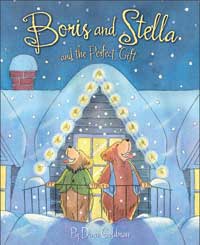
Boris and Stella and the Perfect Gift
Boris is a musician, playing the songs he learned growing up in Russia. Stella is a baker, baking cakes and pastries like her father used to back in Italy. Boris and Stella live in the city and are best friends. They like movies, hats, and each other. At holiday time, Stella wants to give Boris the perfect present for Hanukkah. She wants him to know how special he is. Boris wants to give Stella the perfect present for Christmas, she means so much to him. But perfect presents cost money and their

Born to Be Wild: Baby Animals and Their Parents 
Whether they are fuzzy, fluffy, or scaly, babies need protection. Find out some of the wild ways parent animals help their little ones survive!
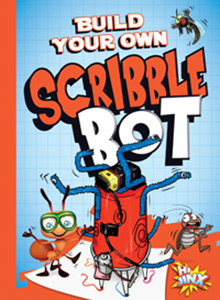
Bot Maker (Hi Jinx)
Get kids building and making with these first robot books. Step-by-step instructions and illustrations teach young engineers the basic construction of simple robots. Using simple materials readers will create basic robots that wiggle, scribble, and race.
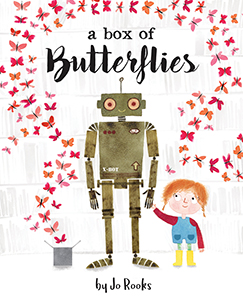
Box of Butterflies, A
I love that story,"" said Ruby. ""Did you love it too?"" ""Robot is just a machine. Robot cannot feel love."" Robot paused for a moment and said, ""What does love feel like?"" Ruby teaches her Robot, who doesn't know what emotions are, what each feels like and when she feels them.
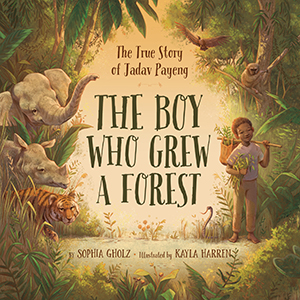
Boy Who Grew a Forest, The: The True Story of Jadav Payeng
As a boy, Jadav Payeng was distressed by the destruction deforestation and erosion was causing on his island home in India's Brahmaputra River. So he began planting trees. What began as a small thicket of bamboo, grew over the years into 1,300 acre forest filled with native plants and animals. The Boy Who Grew a Forest tells the inspiring true story of Payeng--and reminds us all of the difference a single person with a big idea can make.
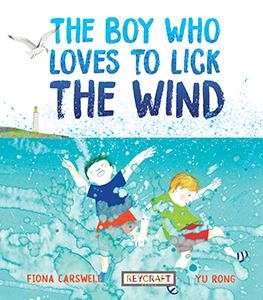
Boy Who Loves to Lick the Wind, The
The boy next door, who has autism, loves to lick the wind. "You should try it," says his mom. "All the best winds are at the beach." And so begins an amazing afternoon by the sea for two boys. One doesn't always speak with words and likes throwing stones into the sea--the other likes to collect shells and make sandcastles. But the sea works its magic and by the end of the day the boys discover they both love to lick the wind--together. And back in school the next morning, the whole class discove
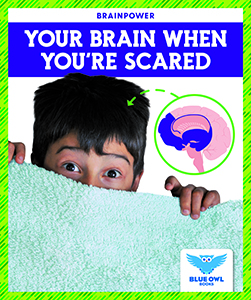
Brainpower (Blue Owl Books)
What happens in your brain when you feel strong emotions like happiness, sadness, anger, and fear? Combining social and emotional learning (SEL) and STEM concepts covering psychology and neurology, Brainpower explores what happens in the brain and body when we feel certain emotions and how readers can manage emotions more effectively.
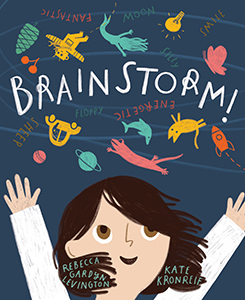
Brainstorm!
When it's time to write in class, one child feels like she has absolutely nothing to say. But suddenly--ker-plink--one drop, one tiny thought, hits her. And before long she's caught in a shower of funny phrases, a whirlwind of adjectives and verbs, a downpour of huge ideas. Boom, CRASH! A regular brainstorm of creativity for her to soak up and play in! With writing prompts and a glossary in the back matter, this is a story to inspire imagination and ingenuity in all readers.
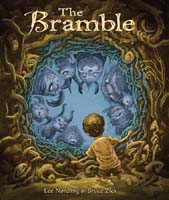
Bramble, The
In this beautifully illustrated and mostly wordless book, Cameron isn't small, but he's not exactly big. He's not slow, but he's also not quick. He wants friends, but it never quite seems to work out. And in a game of tag, he's going to end up "it." Or at least that's how things are on this side of the Bramble. On the other side, it's a different story. On the other side of the Bramble, something extraordinary can happen, something that changes everything.
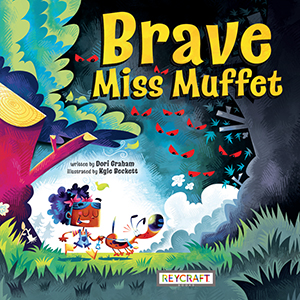
Brave Miss Muffet
When Little Miss Muffet sat on her tuffet a spider scared her away, or so the story goes. But not this Miss Muffet!. Not only does she find the spider interesting, she isn't afraid of a series of other so-called frightening animals. Can the story's narrator find anything to scare this brave Miss Muffet away?